Why Table Placement Matters More Than Most Guests Realize
In Las Vegas nightlife, two tables with similar pricing can create completely different evenings. Where a table sits — its position in the room, how it relates to the dance floor and DJ booth, the traffic patterns around it, the sightlines it offers — shapes the experience as much as the venue itself. Understanding placement helps guests make better decisions before they arrive.
This guide draws on firsthand observation of how different table positions actually function on a busy night. A floor plan can tell you where tables are located, but it can't tell you how each one feels when the room is full — which positions stay clear of heavy foot traffic, which offer the best balance of energy and comfort, and which suit different group sizes and occasions.
What to Know: The most expensive table is not always the best fit for your group. A table near the center of the action may be perfect for a bachelor party seeking high energy, while a more removed position with easier conversation may better serve a group celebrating a quieter milestone or a corporate gathering focused on connecting with guests.
Dayclubs: Choosing the Right Cabana or Daybed
A dayclub cabana serves as your group's base for an entire afternoon. Where it's positioned affects comfort, energy, and how easily your group can move between lounging and participating in the experience.
- Sunlight and Shade: Some cabanas receive direct sun throughout the afternoon, while others sit in shade for most of the day. Knowing which is which helps match the space to your group's preference — whether that means full sun exposure or a cooler, covered retreat.
- Pool Access: A cabana positioned near the water allows easy movement between the pool and your seating area. Positions farther from the pool require more walking but often offer more privacy and less crowd density.
- Proximity to the Music: Tables closer to the DJ booth and main stage deliver full immersion in the sound and energy. Positions farther back allow for easier conversation and a more relaxed pace without losing the atmosphere.
- Comfort and Crowd Flow: A well-positioned cabana avoids being in the path of heavy foot traffic between the entrance, bar, and pool deck. Thoughtful placement means your group isn't constantly interrupted by guests walking through your space.
Nightclubs: How Table Location Shapes the Evening
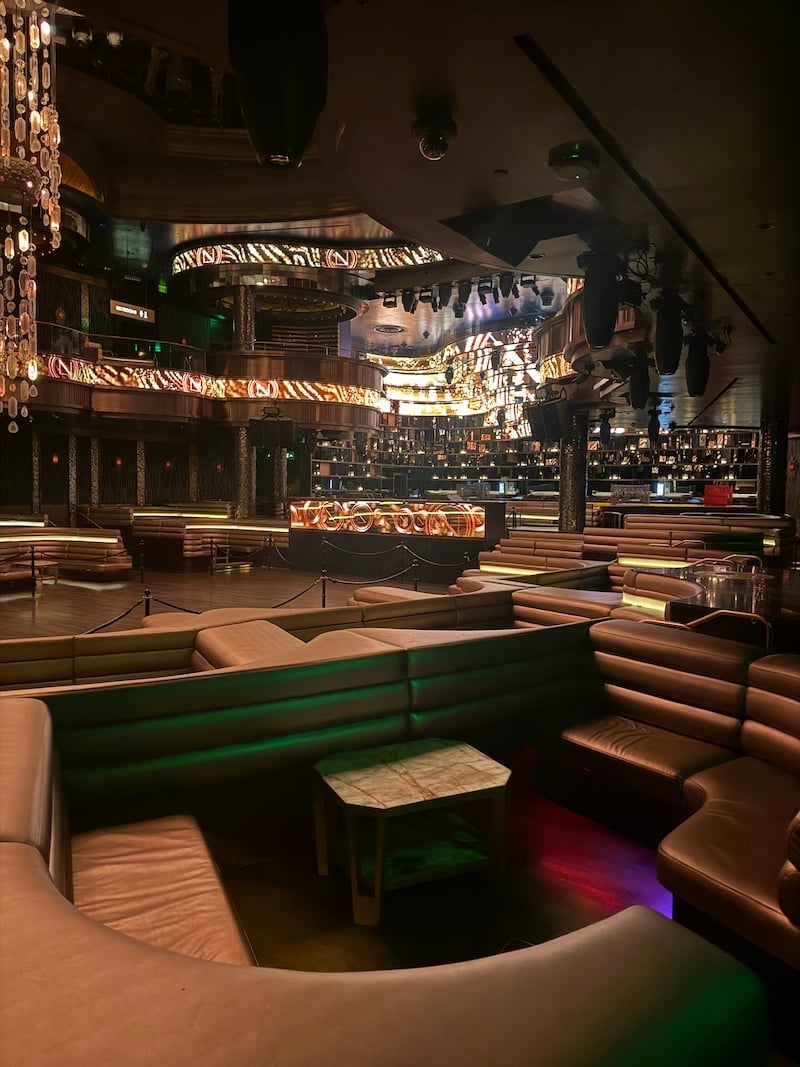
In a nightclub, a table is your group's anchor for the night. Everything — from how easily you can see the DJ to whether your guests can hear each other speak — is affected by where that table sits.
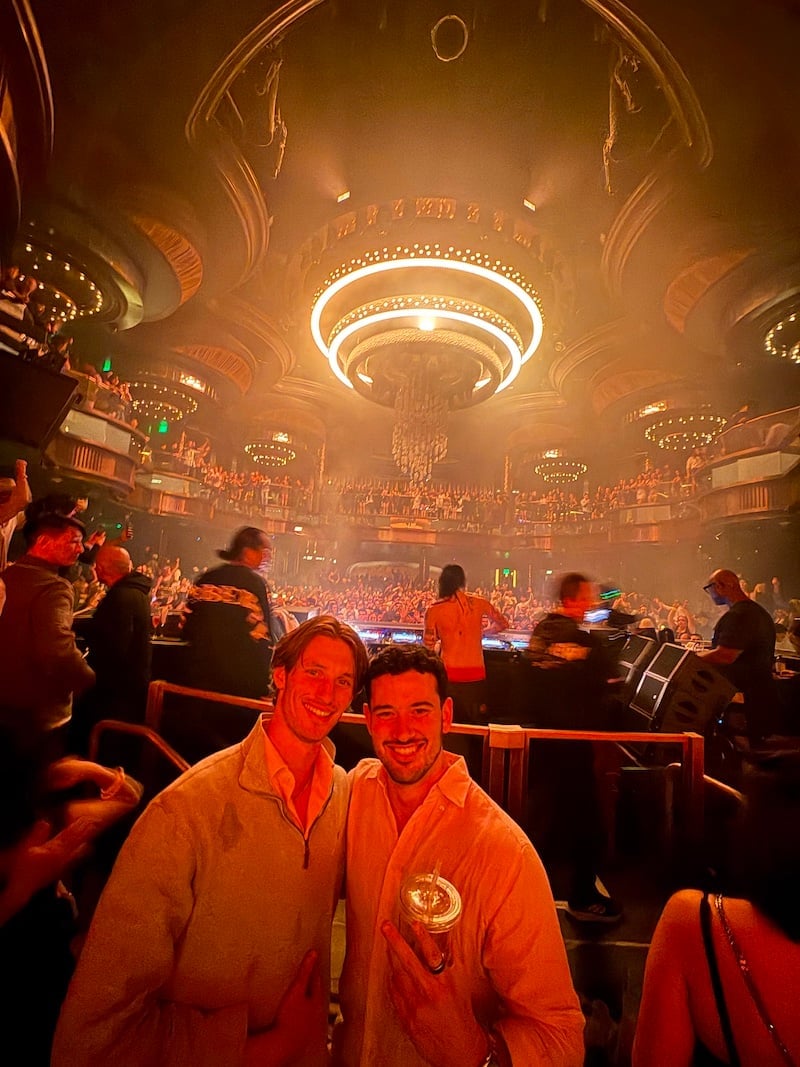
- Proximity to the DJ and Production: Tables near the booth place your group close to the focal point of the room, with the full impact of lighting and sound. These positions tend to be higher energy. Tables farther from the stage still offer excellent views in well-designed rooms, with the added benefit of space to talk and move comfortably.
- Foot Traffic and Privacy: Some tables sit along main walkways between the entrance, dance floor, and bars — meaning consistent pedestrian flow around your space. Other positions, set back from primary paths, offer more defined boundaries and fewer interruptions throughout the night.
- Service Flow: Table location affects how quickly servers can reach your group from the service bar, how often staff check in, and how seamlessly drinks and mixers are replenished. A table near a natural service path tends to receive more consistent attention simply because of how the room operates.
- Visibility of the Room: Some groups prefer being in the center of the action, where they can see and be seen. Others prefer a position with a panoramic view of the room — elevated tables or those along the perimeter often provide the best sightlines without being in the thickest crowd.
Matching the Table to the Occasion
Different groups have different needs, and the right table depends on more than budget. Here's how placement priorities can shift based on the event:
- A bachelor or bachelorette party may prefer a table near the center of the energy — close to the dance floor and DJ, where the group feels immersed in the room's momentum.
- A corporate or client group may prioritize a position with easier conversation, more defined boundaries, and enough space for guests to interact comfortably without competing with the music.
- A couple celebrating a milestone may want a table that balances atmosphere with intimacy — perhaps a slightly elevated position with a view of the room, away from the heaviest foot traffic.
- A larger group needs enough square footage to comfortably fit everyone, with a layout that keeps the group connected rather than spread across a space that's difficult to share.
Why Familiarity With the Room Matters
Las Vegas nightlife venues are dynamic environments. The table that worked well on a Friday in January may feel different on a holiday weekend in July. Understanding how a room operates — how sections fill, where traffic concentrates at different points in the evening, which areas feel more or less crowded as the night progresses — comes from regular observation.
A hospitality professional who spends time in these venues throughout the year develops a practical understanding of room flow: which sections tend to run smoothly, where service delays are most common, and how the energy shifts as the night builds. This familiarity helps guide table selection in a way that a venue map or pricing tier alone cannot. It's not about special treatment — it's about knowing how each room actually works.
The takeaway is straightforward: the best table is not necessarily the most expensive one. It's the one that matches how your group wants to experience the evening. Thoughtful placement — informed by how a room actually operates rather than how it looks on a floor plan — often influences the night as much as the venue itself.