One of the first things I ask when planning dinner is how much the guests want to talk.
A couple celebrating an anniversary may want a comfortable table and an unhurried meal. A birthday group may want music and a busy dining room. For a business dinner, everyone needs to hear the conversation without leaning across the table.
All three can have a great dinner in Las Vegas. They just need different arrangements.
Menus and reputation help narrow the choices, but they don't tell you how the evening will feel once you're seated.
Start With the People at the Table
Before recommending a restaurant, I want to know who's going and what they want from the night.
Are they catching up with friends they rarely see? Celebrating a birthday? Meeting a client? Having dinner before a concert?
"Somewhere lively" can mean different things. One group wants background music and a busy bar. Another wants dinner to turn into a party. Some want both energy and enough space to hear each other.
Getting that distinction right is more useful than starting with a list of famous restaurants.
Conversation Doesn't Have to Mean a Quiet Room
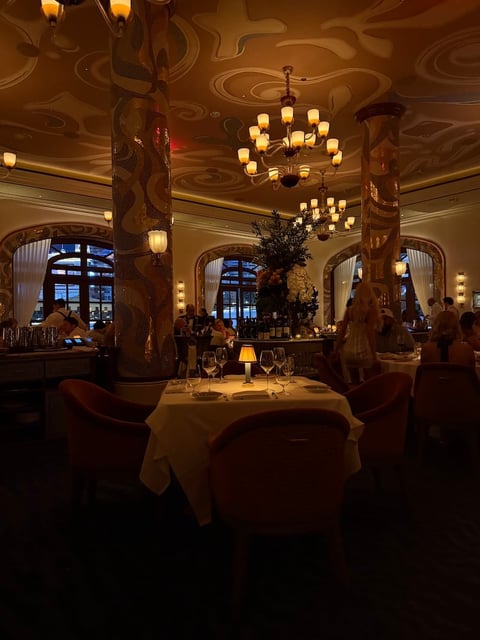
A restaurant can feel lively without making conversation difficult. The challenge is finding the right balance for the group.
Music volume, table size, nearby speakers and the number of people at dinner all matter. Four friends at a booth may be perfectly comfortable in a room where twelve guests at a long table struggle to talk.
Timing matters too. A restaurant that feels relaxed at an early seating may become much busier later in the evening.
When conversation is the priority, I ask about the seating area and what the room is usually like at the proposed dinner time.
Ask About the Table, Not Just Availability
A confirmed reservation doesn't always tell you where you'll sit.
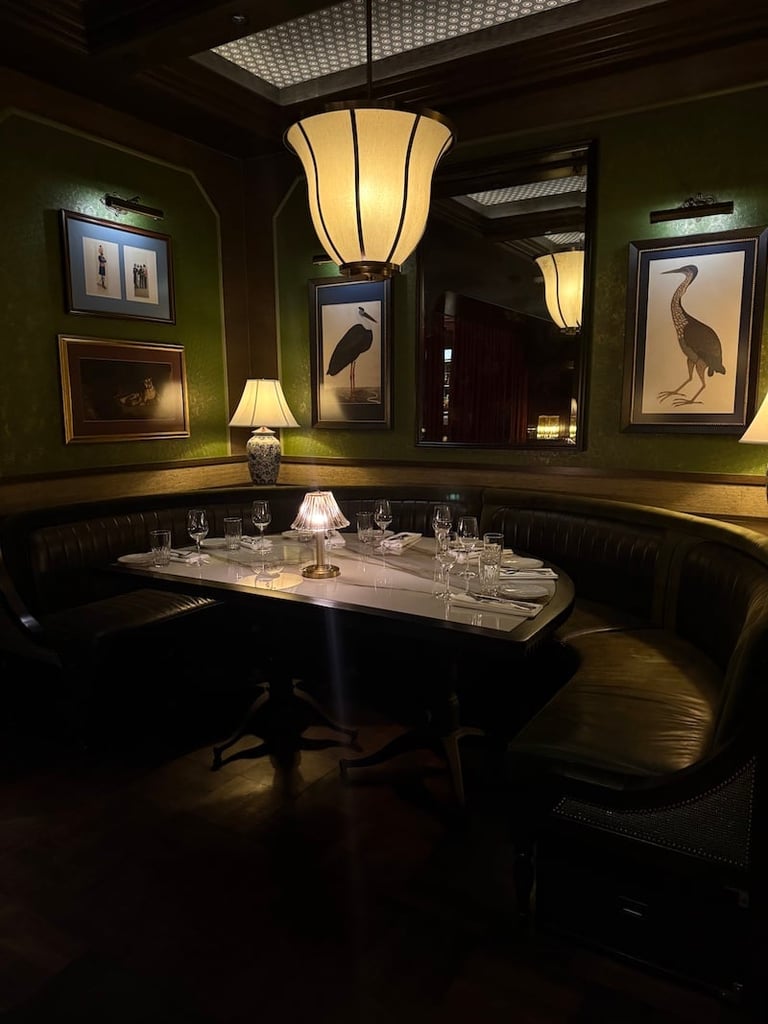
A table beside the bar may be fun for a celebration. A booth farther from the speakers may work better for a client dinner. Fountain views might be worth prioritizing for a special occasion, while an indoor table may be more comfortable when the weather is uncertain.
I also consider service traffic, kitchen entrances and whether the table's shape lets the group talk comfortably.
Seating requests aren't always guaranteed. Still, explaining the occasion and asking for a suitable area gives the restaurant something useful to work with.
Private Dining Isn't Always the Better Experience
For a large group, a private room can make dinner easier. Everyone has their own space, conversation is more manageable, and the restaurant can arrange a menu and pace that suit the occasion.
But privacy can also separate the group from the atmosphere they came to enjoy.
If guests choose a supper club for the live music and entertainment, a separate room may miss the point—even if it looks beautiful in photos. Several nearby tables in the main dining room might be a better fit.
Before choosing a private or semi-private space, ask:
- Can we see and hear the entertainment?
- Is the room open to the main dining area or fully enclosed?
- Will we be seated at one table or several?
- Is there a set menu or food and beverage minimum?
- Can we see photos of the actual setup?
The answers matter more than the room's name.
Give Predinner Drinks Their Own Plan
For a larger group, I like to decide where everyone will meet before dinner.
Some restaurant bars can comfortably accommodate early arrivals. Others have limited seating, leaving guests waiting around the entrance.
A nearby lounge can be an easy solution: everyone has a place to gather, enjoy a drink and arrive at dinner together.
It also helps to check the walking route. Two venues in the same hotel can still be farther apart than guests expect.